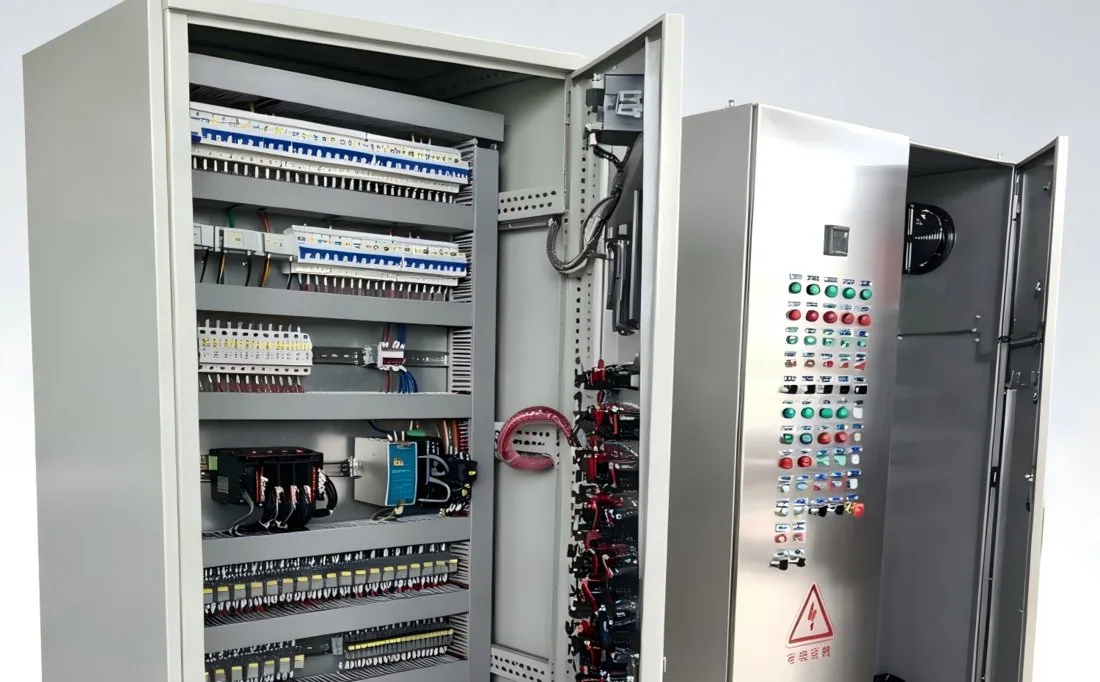
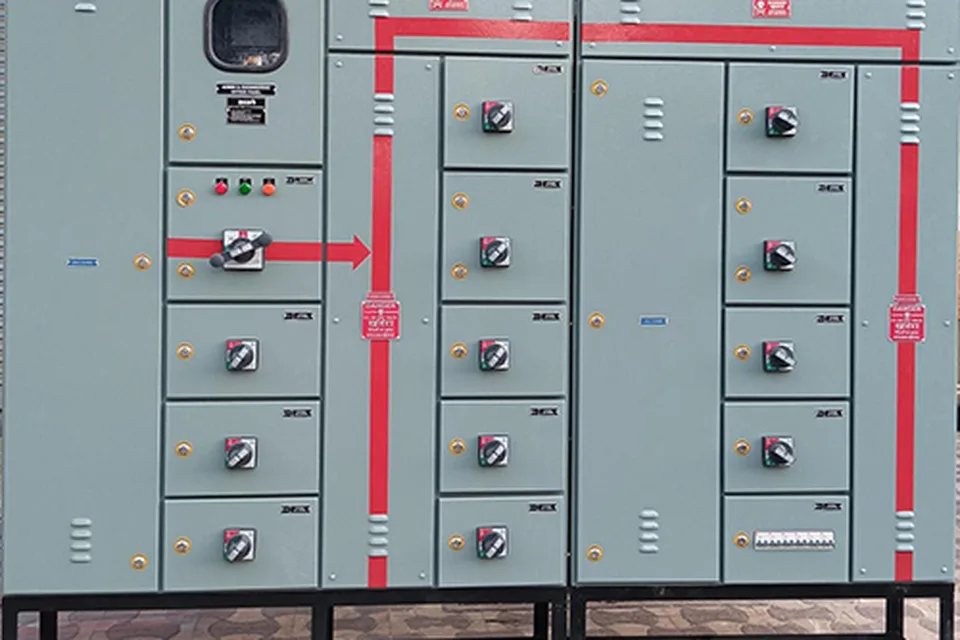
LT Panels (Low Tension)
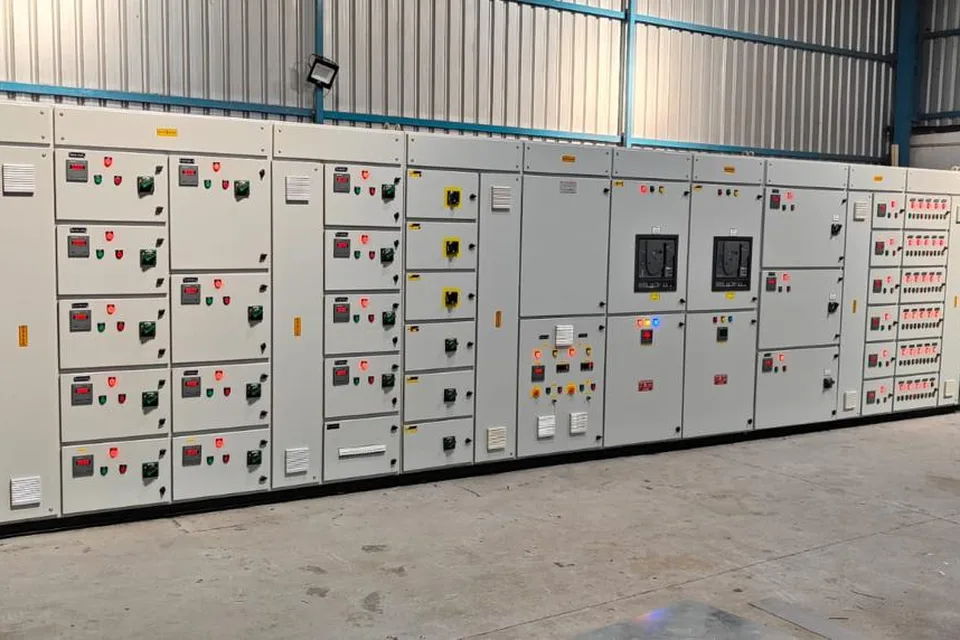
The main panel that receives incoming power and distributes it onward through a building or plant. LT panels work at low voltage — under 415 V — and sit at the centre of most industrial and commercial electrical systems.
Electric Control Panels
See panel drawings and handover requirements →
Eight panel types — LT, MCC, automation, ATS, VFD, solar combiner, changeover and busbar marshalling panels — designed and built to your specification in our Shershah workshop, in powder-coated steel enclosures for indoor and outdoor use.

| Specification | What to share |
|---|---|
| LT distribution panel | Share your load schedule and incoming and outgoing feeder details. |
| MCC or VFD panel | Share your motor list, motor ratings and required control functions. |
| ATS or changeover panel | Share the supply sources, the required current rating and the changeover mode. |
| Enclosure and drawings | Include the site environment, cable-entry preference and any single-line or layout drawings. |
Panel Types
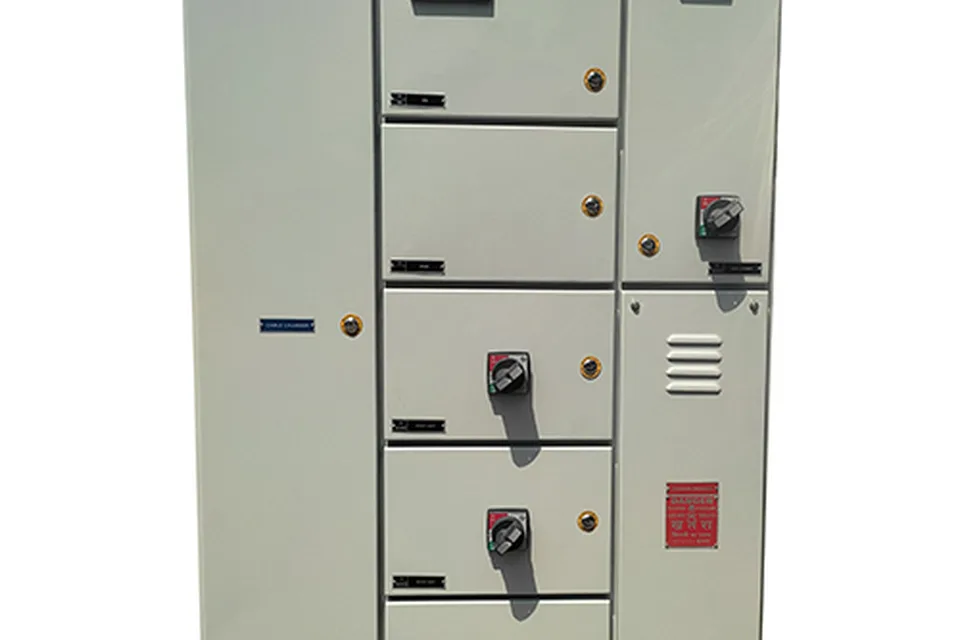
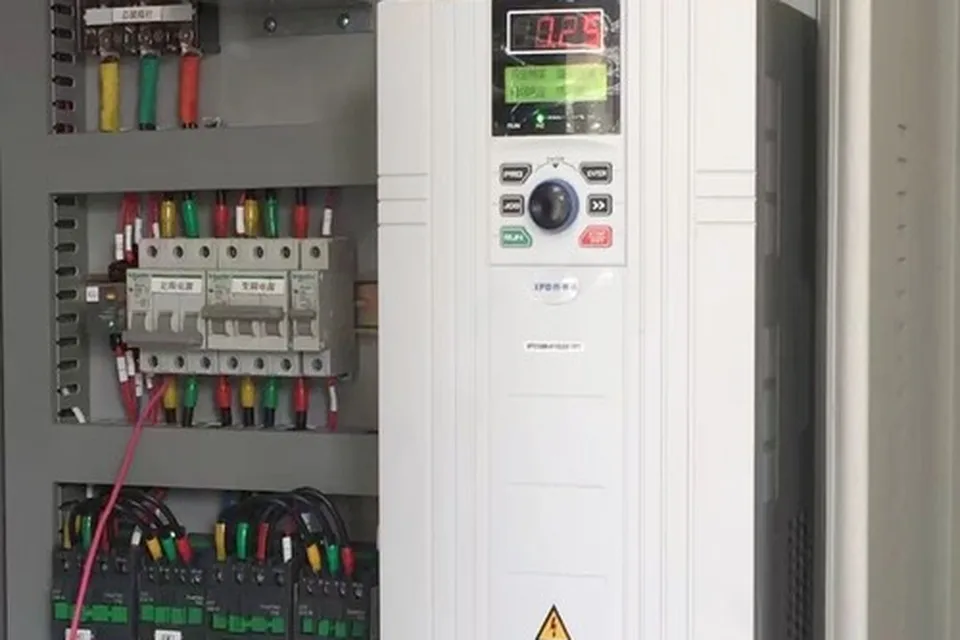
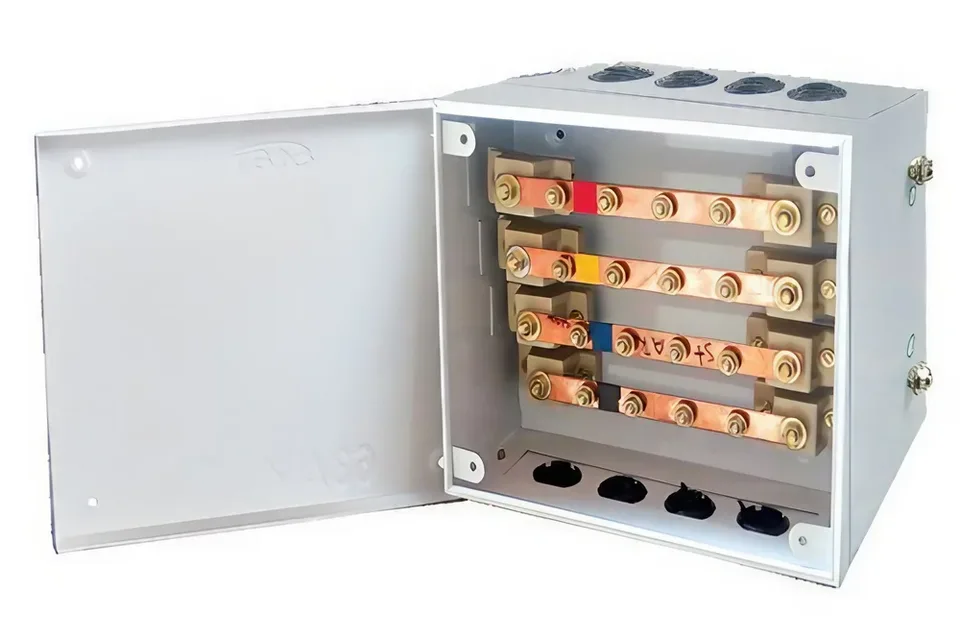
Representative images showing common panel layouts. Components and enclosure details depend on the project.
Pick the panel type your project needs — each card opens the quote form with that type already filled in. Every panel is designed and manufactured to your specification, and panel designs and drawings can be prepared for you as part of the service.

The main panel that receives incoming power and distributes it onward through a building or plant. LT panels work at low voltage — under 415 V — and sit at the centre of most industrial and commercial electrical systems.

A central panel from which several motors are controlled together, instead of each motor having its own separate control point. It regulates how those motors run — starting, stopping and protection — from one location.

Panels that run machinery and equipment automatically, using programmable logic controllers (PLCs) together with sensors and actuators, so processes operate in sequence without manual switching at every step.

An automatic transfer switch (ATS) panel transfers the load to a backup source when the main supply fails. It switches back when the main supply returns, according to the configured settings.

A VFD panel controls the speed of an AC motor by adjusting the frequency and voltage supplied to it, giving precise speed control instead of a motor that can only run at full speed.

Brings the output of multiple solar panel strings together into one combined output, so the wiring from a solar array is gathered in a single panel before it goes onward. Pairs with our Solar Structures.

Switch a load between two power sources — for example, the main supply and a generator. The changeover can be automatic, or manual where an operator makes the switch by hand.

Panels built around busbars — solid bars that carry and distribute high currents inside the panel — used where power has to be distributed locally at high current.
Alongside the eight panel types above, these items can also be included in an enquiry:
Enclosures are fabricated in our workshop and finished to suit where the panel will stand:
Powder-coated mild steel (MS) enclosures, with stainless steel (SS) enclosures also available.
Indoor and outdoor types — tell us where the panel will be installed so the enclosure is made for it.
Sheet thickness 2 mm (14 SWG), finished in colour RAL7032, with cable entry and outgoing connections from the bottom.
One example panel: 2700 × 2200 × 600 mm. That is a single example — panels are made to the size your project requires.
The specification above is a typical example. Your panel’s size, material and finish are confirmed on enquiry against your requirement.
Inside the Panel
What goes inside a panel depends on its type and duty. These are the components a panel is typically built from — the exact set for your panel is confirmed against your specification.
Breakers that protect each circuit and disconnect it safely when a fault occurs.
The switching and isolation devices that control the flow of power through the panel.
Solid bars that carry and distribute current between the panel’s sections.
Electrically operated switches that start and stop motors and other loads.
Starter assemblies that bring motors into service with protection built in.
Control relays that switch circuits in response to signals and conditions.
Timing devices for scheduled or sequenced operation, such as automatic ON/OFF control.
Fuse protection for circuits and control wiring.
Meters that display voltage, current and other readings at the panel.
Internal wiring that connects every component into one working panel.
Protection devices that guard circuits and equipment against faults.
Monitoring of the breaker trip circuit, so a fault in the tripping path is detected.
Where Panels Are Used
Electric control panels serve buildings and plants of every kind — these are the settings they are most commonly built for.
Factories, plants and industrial installations.
Offices, plazas and commercial buildings.
Housing projects and residential buildings.
Production floors where motors and machinery need central control.
Power plants, chemical plants and mining operations.
Control of lighting systems and heating, ventilation and air-conditioning equipment.
Our Service
Panel designs and drawings are prepared for clients, so the panel is agreed on paper before fabrication starts. If you already have a single-line diagram or drawing, share it — the panel will be built to it.
Every panel is manufactured to the customer’s specification — type, size, enclosure and components settled with you in the quote, then fabricated in our Shershah workshop.
Before You Enquire
Share these details and your quote can be prepared without back-and-forth. Missing one? Send what you have — the rest can be confirmed in reply.
Please note: Panels are built to order — exact sizes, materials, finishes and components for your panel are confirmed on enquiry against your specification.
Request an Electric Control Panel Quote →Panel Questions
LT panels, motor control centres (MCC), automation panels, ATS panels, VFD panels, solar combiner panels, auto / manual changeover panels and busbar marshalling panels. Battery chargers, CP system panels, weatherproof junction boxes, lighting pole junction boxes and lighting distribution boards with auto ON/OFF control are also available.
Enclosures are powder-coated mild steel (MS), with stainless steel (SS) also available, in indoor and outdoor types. A typical specification is 2 mm (14 SWG) sheet in colour RAL7032 with cable entry and outgoing from the bottom — the material, finish and specification for your panel are confirmed on enquiry.
Yes — panels are made to the size your project requires. One example panel is 2700 × 2200 × 600 mm, but that is only an example; share your required dimensions in the enquiry.
Yes — panel designs and drawings can be prepared for clients. If you already have a single-line diagram or drawing, mention its reference in your enquiry and the panel will be built to it.
Share the panel type, voltage and current rating, dimensions, whether it is for indoor or outdoor use, the components required, a single-line diagram or drawing if you have one, and the quantity.
Yes. Describe the panel’s purpose and include the details you have — a drawing helps, but it is not required to start an enquiry, and a drawing can be prepared for you.
Send your panel type, size and purpose — we will review your requirement and reply with your quote on WhatsApp.
Send your approved single-line diagram or control drawing. Include the enclosure location, incoming supply details and the panel function.